지금 우리가 함께 겪고 있는 것보다 더 어렵고 복잡하게 얽힌 세계적 위기를 떠올리기란 아마 쉽지 않을 것이다. 분쟁은 많고 또 늘어나고 있으며, 기후 위기는 깊어지고, AI는 새로운 위험을 들고 나왔고, 세계 곳곳에서 시위와 폭동이 번진다. 새 헤드라인이 들려올 때마다 그것은 믿기 힘든 새 소식을 전하거나, 아니면 바로 직전의 믿기 힘든 소식을 뒤집는다. 사람을 끊임없이 어지럽게 만드는, 기묘한 심리적 채찍질 같다.
It is probably fair to say that many of us would be hard-pressed to remember a more challenging and complex series of global crises than what we are collectively experiencing right now. Conflicts are numerous and on the rise, the climate crisis deepens, AI presents new risks, protests and riots are flaring up around the world. And every time I catch wind of another headline it’s either suggesting an unbelievable new development or rescinding that last unbelievable new development. It is like a bizarre form of psychological whiplash that leaves one continually disorientated.
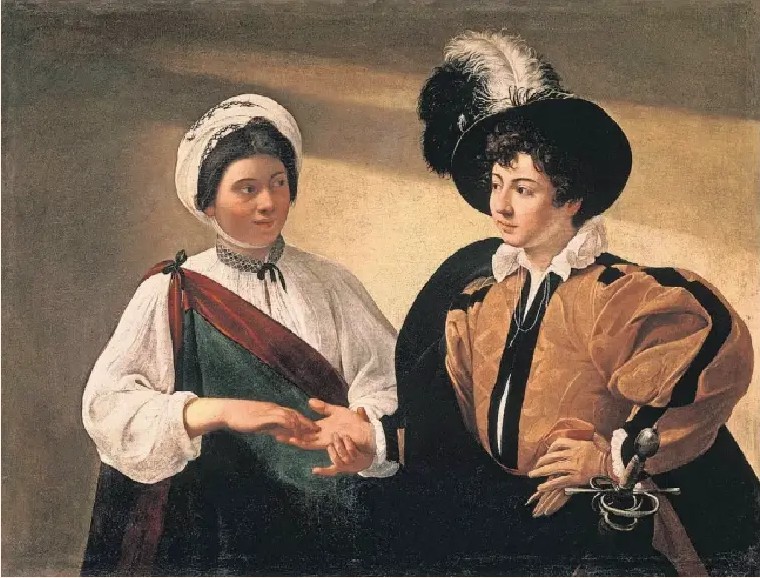
카라바조, 〈점쟁이(The Fortune Teller)〉, 1595년경 · 루브르 박물관
며칠 전 아침, 병원에 걸어가다가 문득 이런 생각을 했다. 개인의 삶에서든 공적인 삶에서든, 다음에 정확히 무엇을 해야 할지 알기 위해 미래를 내다볼 수단이 있었으면 하고 바라는 사람이 얼마나 많을까. 내일, 다음 주, 내년, 혹은 10년 뒤에 무엇이 기다리는지 알고 싶은 마음은 시대를 가리지 않는 인간의 충동이다. 문화와 천년의 세월을 가로질러 사람들은 점술로, 통계 분석으로, 아니면 그저 끝없는 생각과 추측으로 그 답을 알아내려 애써 왔다. 그런데 정말 미래를 알 수 있다면, 우리는 더 나은 삶, 더 숙고하고 더 넓고 더 너그러운 삶을 살게 될까?
The other morning, while walking to the doctor, I found myself thinking about how many of us may wish we had a means of predicting the future, whether in our private or public lives, in order to figure out what exactly to do next. Wanting to know what the next day, week, year or decade holds is a timeless human urge. People across cultures and millennia have tried to work it out, whether through divination, statistical analysis or simply endless thinking and speculation. But would it help us to live better, more considered, expansive and compassionate lives if we could tell the future?
1883년 작 〈미래를 읽다(Reading the Future)〉는 19세기 파리 살롱에 처음으로 작품을 건 캐나다인 가운데 한 명인 폴 필(Paul Peel)의 그림이다. 흰 옷을 입고 의자에 앉은 젊은 여성의 초상인데, 그녀는 찻잔 바닥에 남은 찻잎을 들여다보며 즐겁게 웃고 있다. 찻잎으로 점을 치는 관습, 이른바 ‘타세오그래피(tasseography)’는 고대 중국에 뿌리를 두고 있으며, 무역로를 따라 물건과 함께 문화도 건너가면서 17세기 유럽 일부 지역에서 유행했다. 찻잎 점이 어떻게 들어맞는지에 대해서는 영적인 해석도 심리적인 해석도 있지만, 요점은 이 단순한 그림이 앞날을 알고 싶어 하는 오래된 욕망을 슬쩍 보여 준다는 것이다. 그림 속 빅토리아 시대 여성은 연애나 집안일에 대한 답을 찾고 있는지도 모른다. 어쩌면 그보다 훨씬 짜릿하고 뜻밖의 상황일 수도 있다. 어느 쪽이든, 찻잎은 그녀에게 모든 일이 잘 풀릴 거라고 믿게 만든 모양이다.
The 1883 painting “Reading the Future” is by Paul Peel, one of the first Canadians to exhibit at the 19th-century Paris Salon. It is a portrait of a young woman dressed in white and seated on a chair. She is smiling with pleasure as she looks at the tea leaves at the bottom of her cup. The practice of tea reading, known as tasseography, has roots in ancient China and became popular in parts of Europe during the 17th century as trade routes carried culture along with goods. There are both spiritual and psychological interpretations of how tea reading might work, but the point is that this simple image hints at an age-old desire to know what the future has in store. Maybe the Victorian woman in the painting is seeking answers about her romantic or domestic life. Maybe it’s a deliciously more subversive and unexpected situation than that. Whatever the case might be, the tea leaves have seemingly convinced her that all will be well.
일이 바라는 대로 풀릴 거라는 확신이 있다면 참 좋겠지만, 그걸 미리 안다면 삶의 즐거움과 기쁨도 얼마쯤 사라지지 않을까? 내일 무슨 일이 일어날지 늘 안다면 경이로움도, 놀라움도, 심지어 희망도 설 자리가 없을 것이다. 사람으로 사는 기쁨을 끌어안거나 그 어려움에 맞서 일어서는 일의 상당 부분은, 미래를 알 수 없다는 사실에 기대고 있는 듯하다. 삶에서 뜻밖에 일어나는 일들은 우리가 미처 상상하지도, 믿지도 못했던 자신의 새로운 면을 경험하게 해 준다. 그것이 기쁨이든 용기든, 혹은 새로운 차원의 강인함과 수완이든.
It would be lovely to be assured that things are going to work out the way one hopes but this knowledge would also take some delight and pleasure out of life, wouldn’t it? If we always knew what tomorrow held, there would be no place for wonder, surprise and even hope. There is so much about embracing the joy or rising to the challenges of being human that seems to rely on not being able to tell the future. Things that happen unexpectedly in our lives often invite us to experience new parts of ourselves that we may not have otherwise envisioned or believed in. Whether that is pleasure or courage or new degrees of strength and resourcefulness.
카라바조가 1595년경 그린 〈점쟁이〉는 현재 루브르에 소장되어 있다(한 해 전에 그린 거의 똑같은 작품은 로마 카피톨리니 박물관에서 볼 수 있다). 그림 속에서 한 젊은 남자가 기대에 찬 모습으로 서 있고, 로마니 여성이 그의 손금을 따라 선을 그으며 운세를 읽어 준다. 로마니는 카라바조 시대 이탈리아의 도시 생활에서 흔히 볼 수 있던 민족 집단이다. 남자는 그녀의 손이 아니라 그녀의 얼굴을 바라보고 있는데, 일부 해석에 따르면 이 여성은 사실 그의 손가락에서 반지를 슬쩍 빼내고 있다고 한다.
Caravaggio’s c1595 painting “The Fortune Teller” is currently held in the Louvre (an almost identical work, which he painted a year before, can be seen at the Capitoline Museums in Rome). It shows a young man standing with an air of expectation while a Romani woman, part of an ethnic group of people common to city life in Caravaggio’s Italy, traces a line on his hand to read his fortune. He is staring at her rather than at what she is doing, and some interpretations of the painting suggest that the woman is actually slipping a ring off his finger.
이 그림을 보며, 내 삶에 대해 다른 사람의 의견을 구하고 싶은 유혹이 얼마나 강할 수 있는지 생각했다. 우리에게 필요한 길잡이가 내 바깥 어딘가에 있다고 상상하는 데서 위안이나 안도감을 얻는지도 모른다. 물론 다른 사람에게 조언을 구하는 것은 대개 아주 현명한 일이다. 하지만 때로는, 특히 미래에 대한 답을 찾을 때, 우리는 사정을 잘 모르거나 우리의 이익을 진심으로 생각하지 않을 수도 있는 사람이나 기관에 믿음을 맡긴다.
Looking at this work, I was thinking about how tempting it can be to seek other people’s opinions about our own lives. Perhaps there is comfort or reassurance in imagining that the guidance we need exists outside of us. Of course, seeking counsel from others can often be a very wise step. But sometimes, especially when looking for answers about our future, we put our trust in people or institutions that may not know or may not have our best interests at heart.
점을 보고 싶은 마음은 오히려 우리 안의 충동에서 더 많이 나오는지도 모른다. 조용한 절박함일 수도 있고, 삶이 요구하는 것들에 대한 두려움일 수도 있고, 내 능력을 믿지 못하는 마음일 수도 있다. 추측과 걱정에는 관심을 덜 두고, 바라는 미래를 향해 지금 아무리 작더라도 행동하는 데 관심을 더 둔다면 무슨 일이 일어날 수 있을지, 그것을 상상할 자리를 만들어야 한다.
The desire to have our fortune told may come more from our internal impulses. We might have a quiet sense of desperation, a fear of the demands of life or a lack of belief in our own capabilities. We have to make room to imagine what could happen if we placed our attention less on speculation and worry and more on taking action now, no matter how small, towards the kind of future we hope for.
우리는 미래를 약속받는 동시에, 지금 가진 소중한 것들을 도둑맞고 있는지도 모른다.
카라바조의 그림이 정말로 손금을 읽는 게 아니라 남자의 반지를 훔치는 점쟁이를 그린 것이라면, 나는 그 상징이 궁금해진다. 자기도 알 길이 없고 스스로 이뤄 낼 수도 없는 미래를 우리에게 믿게 하려는 사람들은, 지금 여기서 실제로 일어나고 있는 일로부터 우리의 주의를 돌리고 있을 뿐인 건 아닐까? 우리는 미래를 약속받는 동시에, 지금 가진 소중한 것들을 도둑맞고 있는지도 모른다. 우리는 왜 때때로 그렇게 선뜻, 기꺼이 내 미래를 남의 손에 맡기려 할까?
If Caravaggio’s painting does indeed show the fortune-teller stealing the man’s ring rather than reading his palm, then I wonder about the symbolism of this. Might those who try to convince us of a future that they have no way of knowing, nor are able to bring about themselves, just be distracting us from what is actually happening here in the present? We may be promised a future while being simultaneously robbed of the things of value we currently have. Why is it that we are sometimes so ready and willing to put our futures into someone else’s hands?
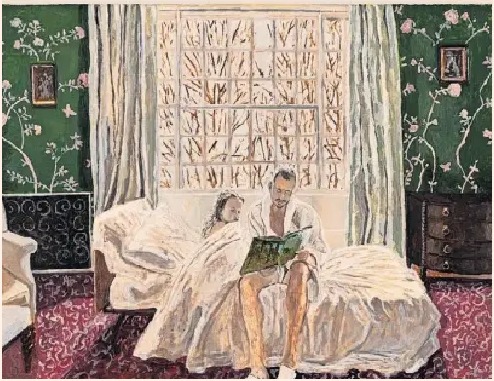
폴리나 바르스카야, 〈홈 하우스의 아침(Morning at Home House)〉, 2025
나는 우크라이나 태생의 화가 폴리나 바르스카야(Polina Barskaya)의 작품을 오래 아껴 왔다. 그녀는 자기 가족의 평범한 일상과 활동에 눈길을 모은다. 2025년 작 〈홈 하우스의 아침〉에서 그녀는 무늬 있는 붉은 카펫과 꽃무늬 녹색 벽지가 있는 방에서, 한 남자가 어린 여자아이에게 책을 읽어 주는 별일 없는 장면을 그렸다. 아마 그녀의 남편과 딸일 것이다.
I have long appreciated the work of the Ukrainian-born artist Polina Barskaya, who draws attention to the ordinary events and activities of her family’s life. In the 2025 painting “Morning at Home House”, she paints an uneventful scene of a man reading a book to a little girl, presumably her husband and their daughter, in a room with a patterned red carpet and flowered green wallpaper.
창문 너머로 햇빛 속에 앙상한 나뭇가지들이 보인다. 아직 아침이라고 짐작해 본다. 남자와 아이는 둘 다 읽고 있는 책에 빠져 있고, 그 모습이 우리를 두 사람이 나누는 이 친밀한 시간 안으로 불러들인다. 어쩌면 매일의 일과일지도, 그들의 하루와 삶에 표시를 남기는 또 하나의 방식일지도 모른다. 우리는 알 수 없다.
There are bare branches framed in the light of day through the windows. We assume it is still morning. Both man and child are focused on the book being read, which invites us into this intimate activity they are sharing. Maybe it is a routine, one more way of marking their days and their lives. We do not know.
그럼에도 내가 이 그림을 고른 것은, 미래를 점치려는 소동과 그 헛됨에 이 그림이 정면으로 맞서 있기 때문이다. 나는 미래가 우리가 지금 꾸준히 하는 일들로 만들어진다는 생각을 좋아한다. 그 선택들 가운데는 투표나, 우리가 믿는 대의를 지지하는 일, 여러 방식으로 공동체를 일구는 데 시간과 자원을 쓰는 일 같은 큰 행동도 있을 것이다. 하지만 우리의 미래는, 앞날에 대한 스트레스와 걱정에 빠져 있을 때 쉽게 소홀해지는, 작고 별것 아닌 듯한 일들로도 빚어진다. 우리의 마음과 정신을 길러 주는 것은 바로 이런 일상의 루틴과 관계다. 우리 삶이라는 엔진이 꾸준히 낮게 돌아가게 해 주는 것도, 그래서 바라건대 미래가 무엇을 가져오든 마주할 힘을 주는 것도, 바로 이런 작은 관심의 행위들이다.
But I chose this painting because it stands in powerful opposition to the drama and futility of seeking to forecast our future. I love the idea of considering a future made up of the consistent things we do in the present. Some of those choices will include bigger actions, like voting, or supporting causes we believe in and using our time and resources to build up our communities in different ways. But our future is also shaped by the smaller and seemingly unremarkable things we do that are easily neglected when we get mired in stress and worry about what lies ahead. It is these everyday routines and connections that help to nourish our spirits and hearts. It is these small acts of attention that maintain the steady hum of the engine of our lives, hopefully giving us the strength to face whatever the future holds.
· · ·
출처: Financial Times, 2026년 10월 24일자 지면(PressReader, 맹주님 구독). 한국어는 리무루가 영어 원문을 바탕으로 직접 다시 번역했어요. 개인 열람용 페이지예요(검색엔진 노출 차단).